When people talk about a “low maintenance” garden, they often mean something simple, tidy, and easy to care for. But in reality, the work involved in gardening depends on the plants, the garden style, and how a gardener defines maintenance. What feels like a chore to one person might be an enjoyable act of care for another.
Gardening comes in many forms. Some gardeners grow vegetables and herbs, while others focus on showy annuals, perennials, or roses. Some tend indoor plants, others cultivate wildlife-friendly landscapes. Time spent with plants varies too, from a few minutes a day to several hours on weekends. Whether you enjoy the work or outsource it, gardens require some form of care.
Contrasting Garden Styles
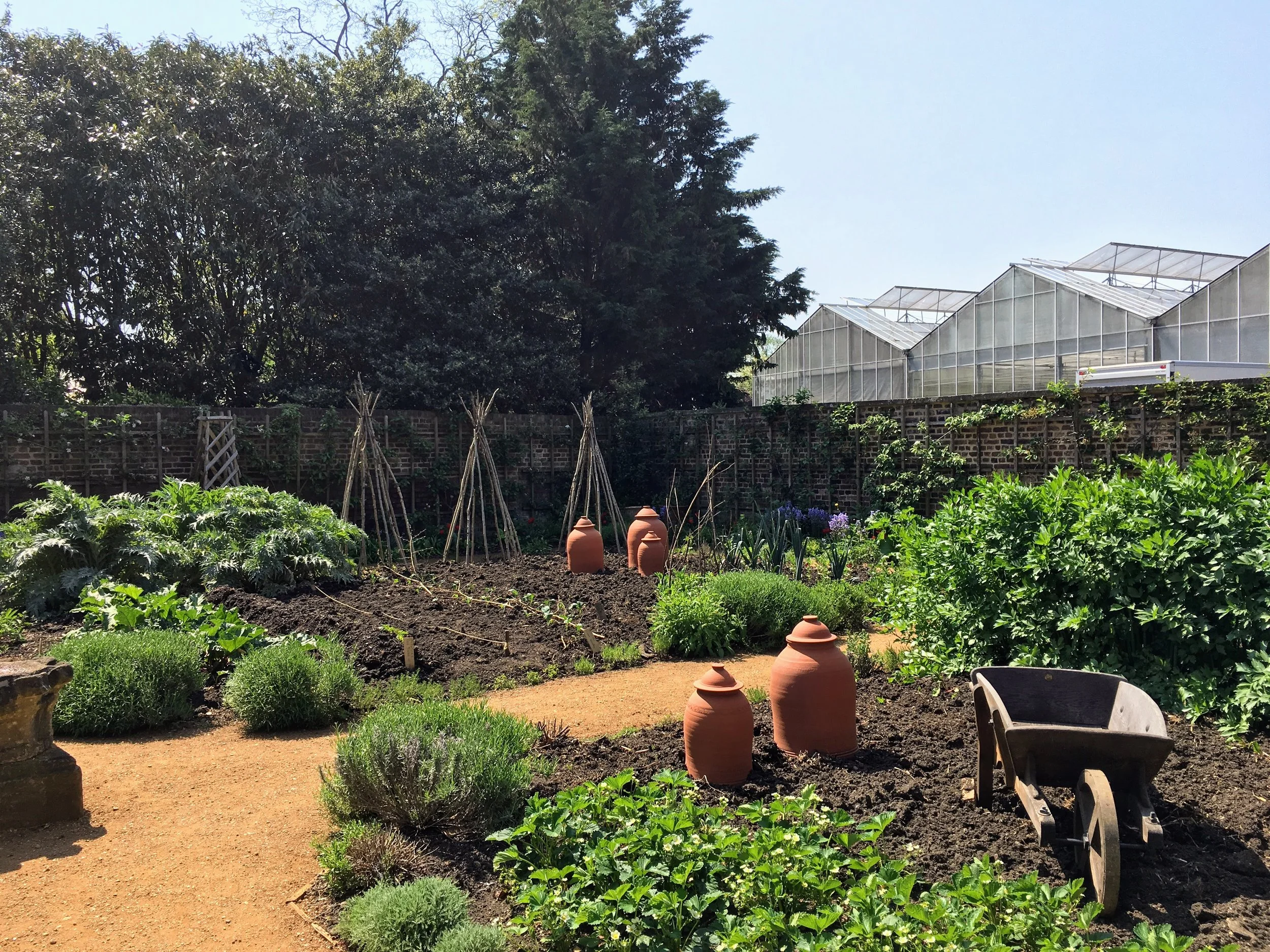
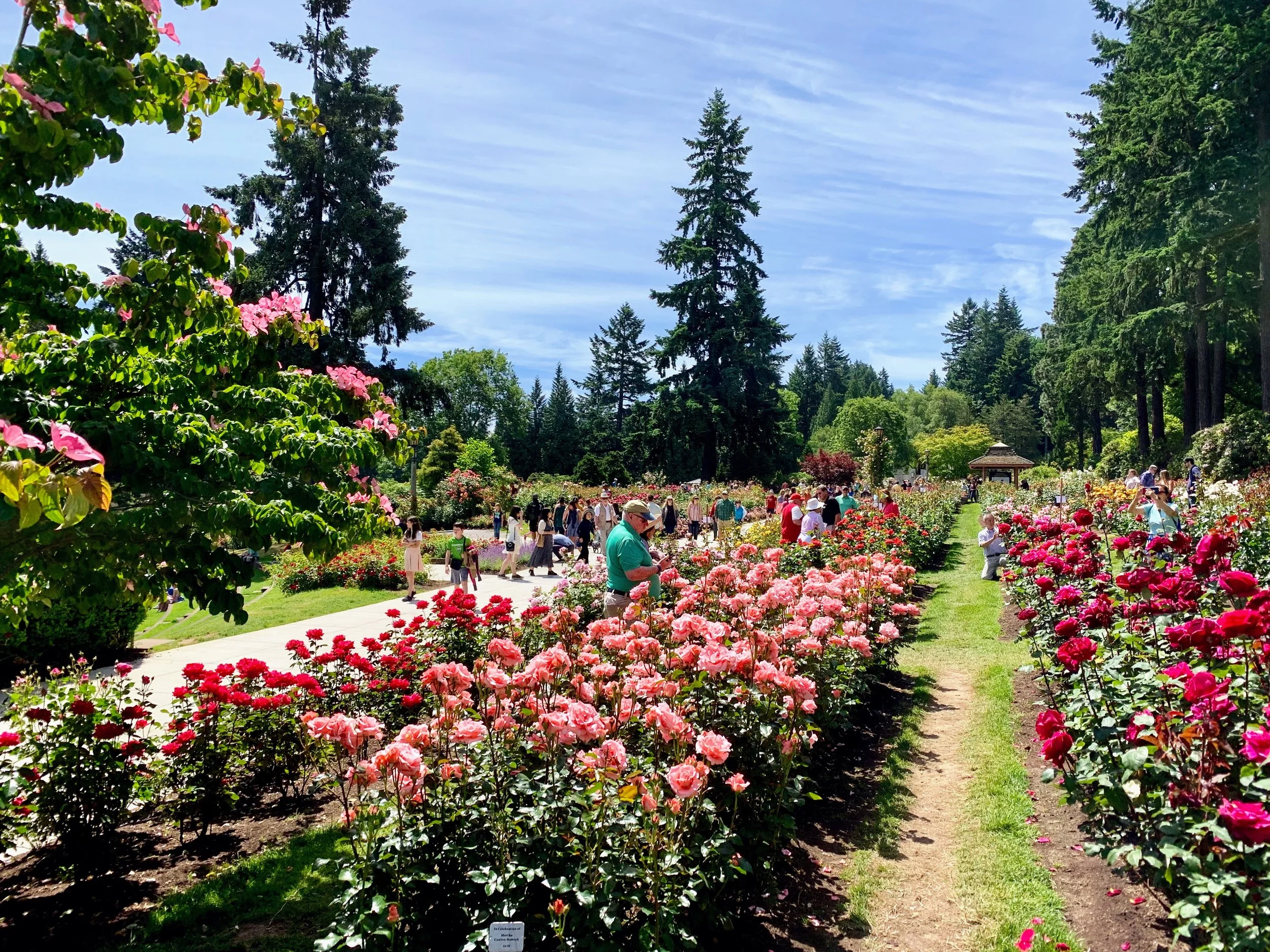
From historic vegetable gardens to formal rose displays, maintenance looks different depending on the garden.
Redefining “Maintenance”
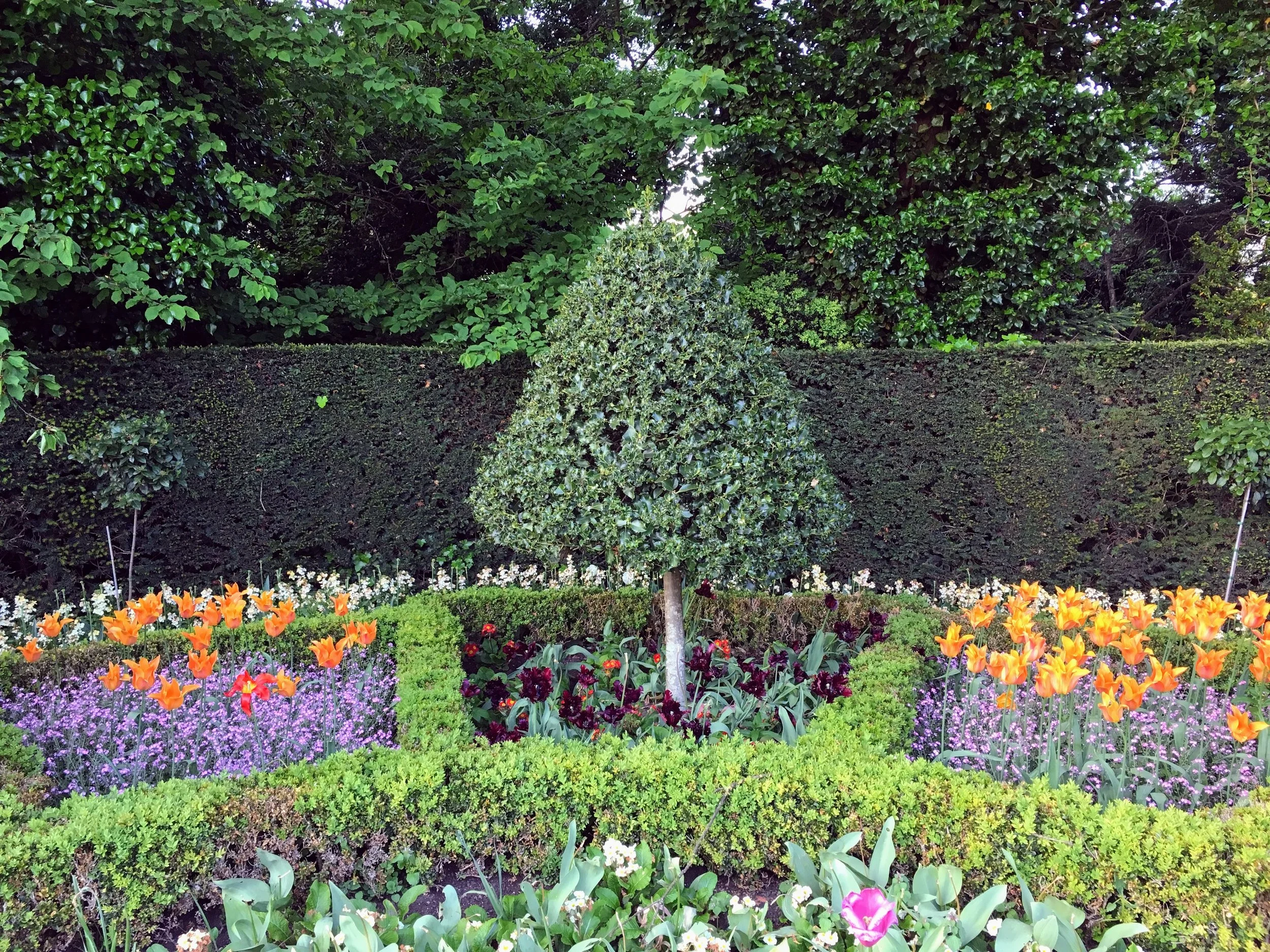
The term “garden maintenance” can be misleading. For conventional gardeners, it often suggests repetitive chores: cutting back perennials, raking leaves, removing debris, and applying fertilizers or fungicides. In wildlife-focused or native gardens, maintenance can look very different. Many tasks can be delayed, simplified, or skipped entirely, allowing plants to grow more naturally while supporting pollinators, birds, and other wildlife.
Maintenance Looks Different
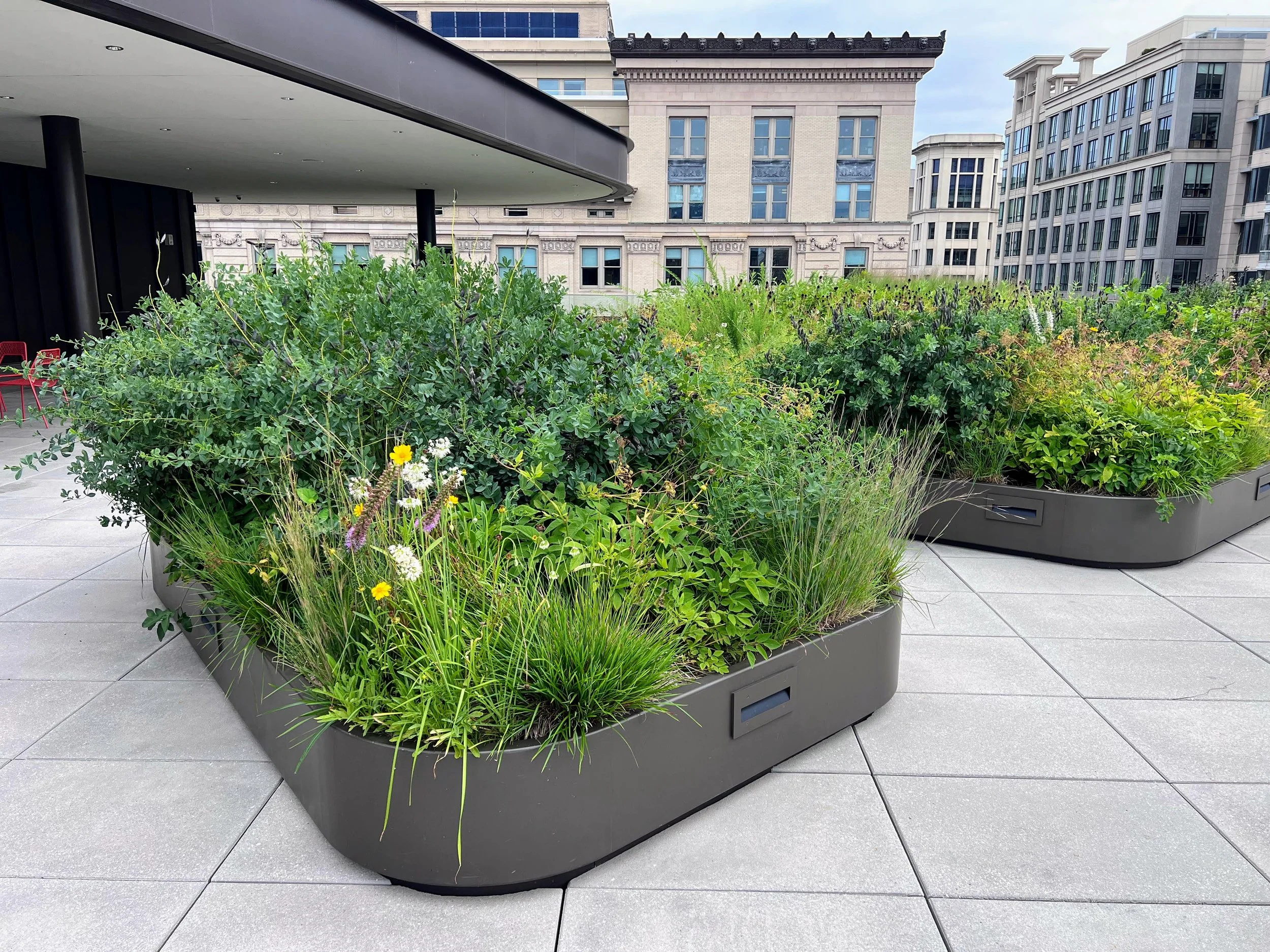
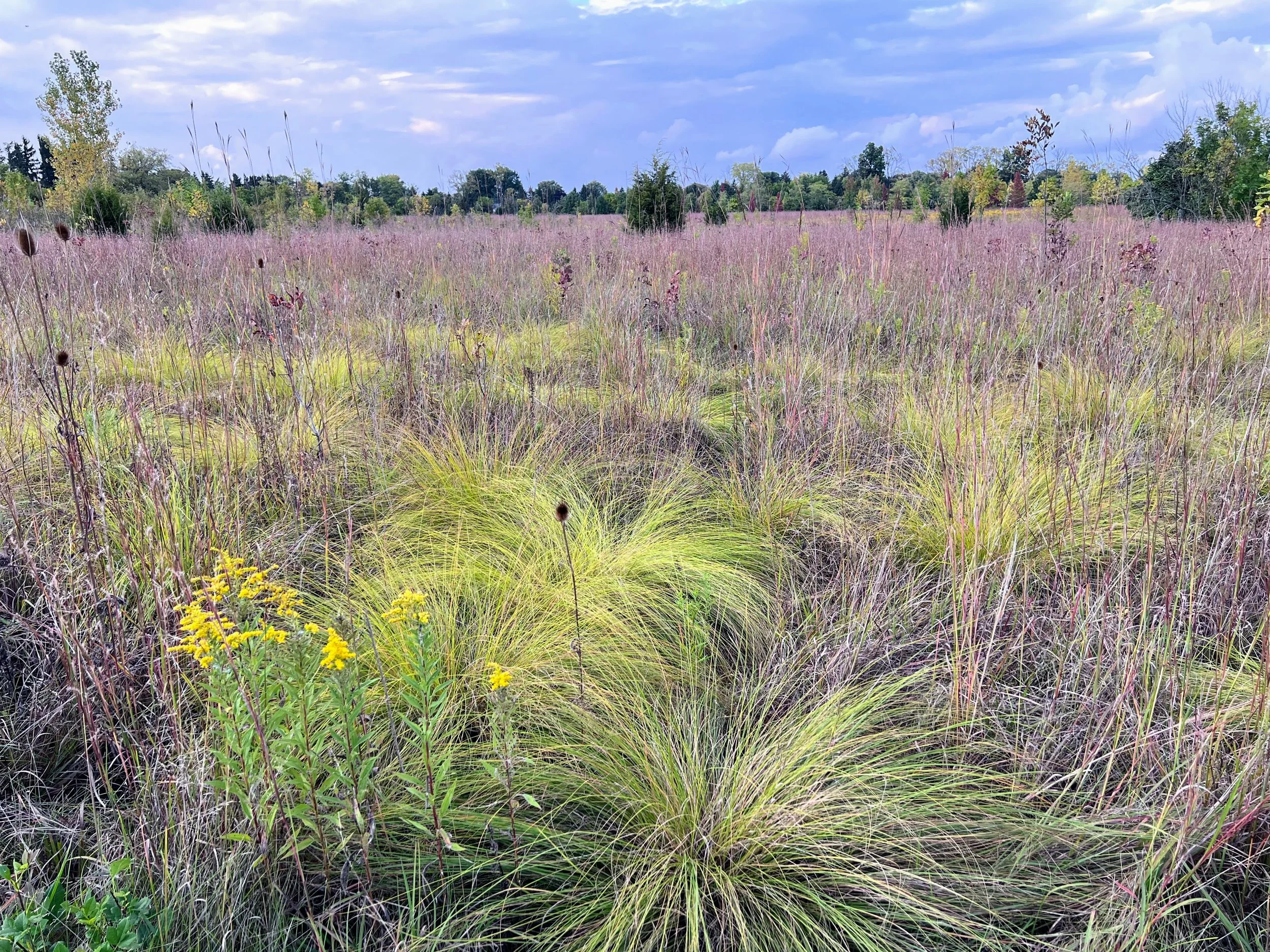
Native plants are often labeled as “low maintenance” or even “no maintenance,” but these terms deserve context. Because native plants are adapted to local soil, light, and moisture conditions, they generally require less intervention than non-native ornamentals. Matching plants to their site ensures healthier growth and reduces supplemental watering, fertilization, and pest control.
Maintenance Is Relative
Every garden requires work, especially in the beginning. Newly planted native gardens need watering and weeding during the first growing season, as open soil invites opportunistic weeds. Over time, as plants mature and fill in, maintenance naturally decreases. Even in a wild prairie, which may be managed with controlled burns, some labor is required. Compared with an acre of hybrid roses or vegetables, native plant landscapes are often less work-intensive, but are never completely hands-off.
Long-Term Maintenance and Garden Editing
Gardens also need occasional refreshes. Gardeners may remove plants that did not thrive, rearrange beds, or edit for design and function. While these efforts can be significant, they are usually periodic rather than ongoing.
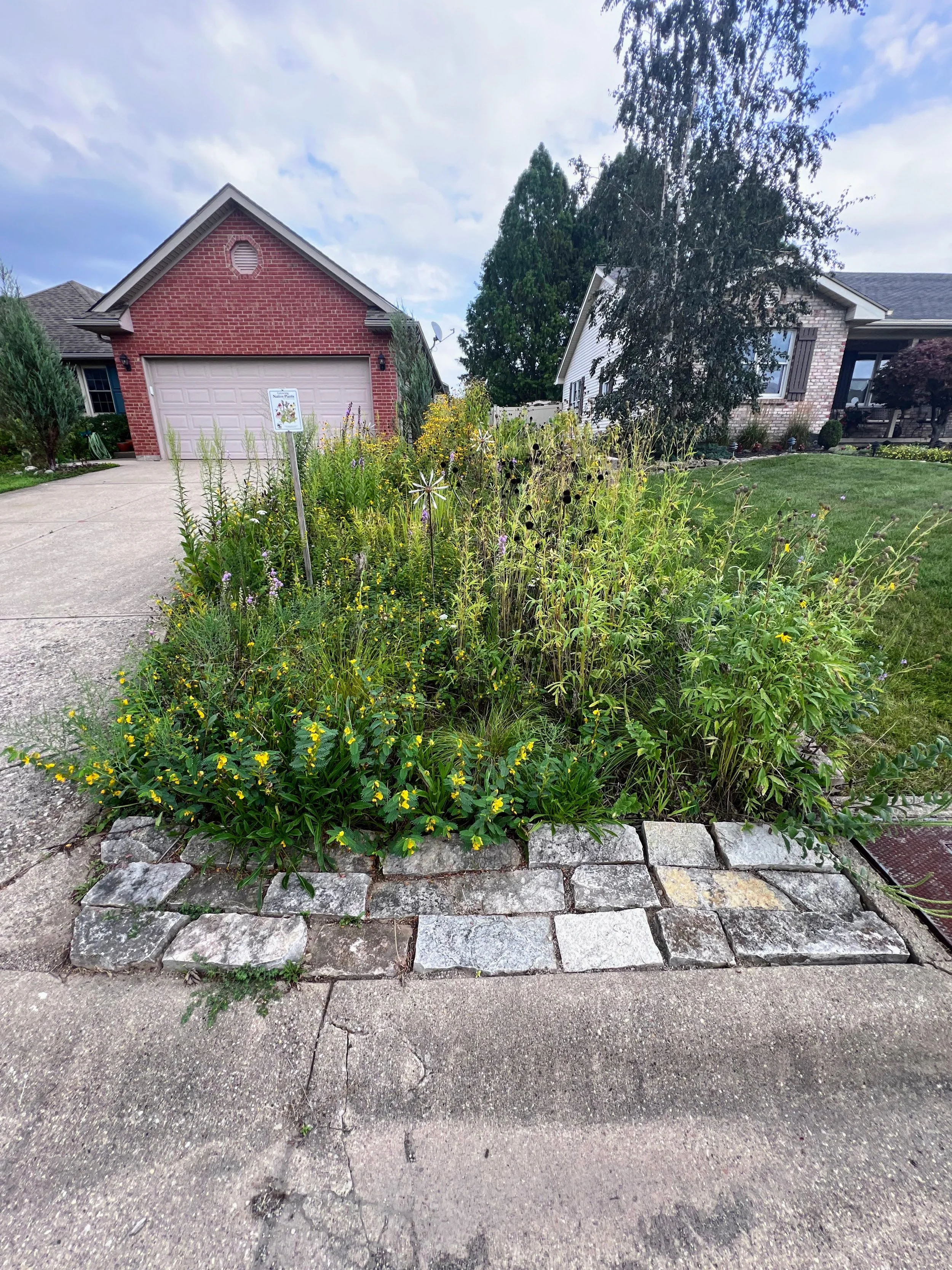
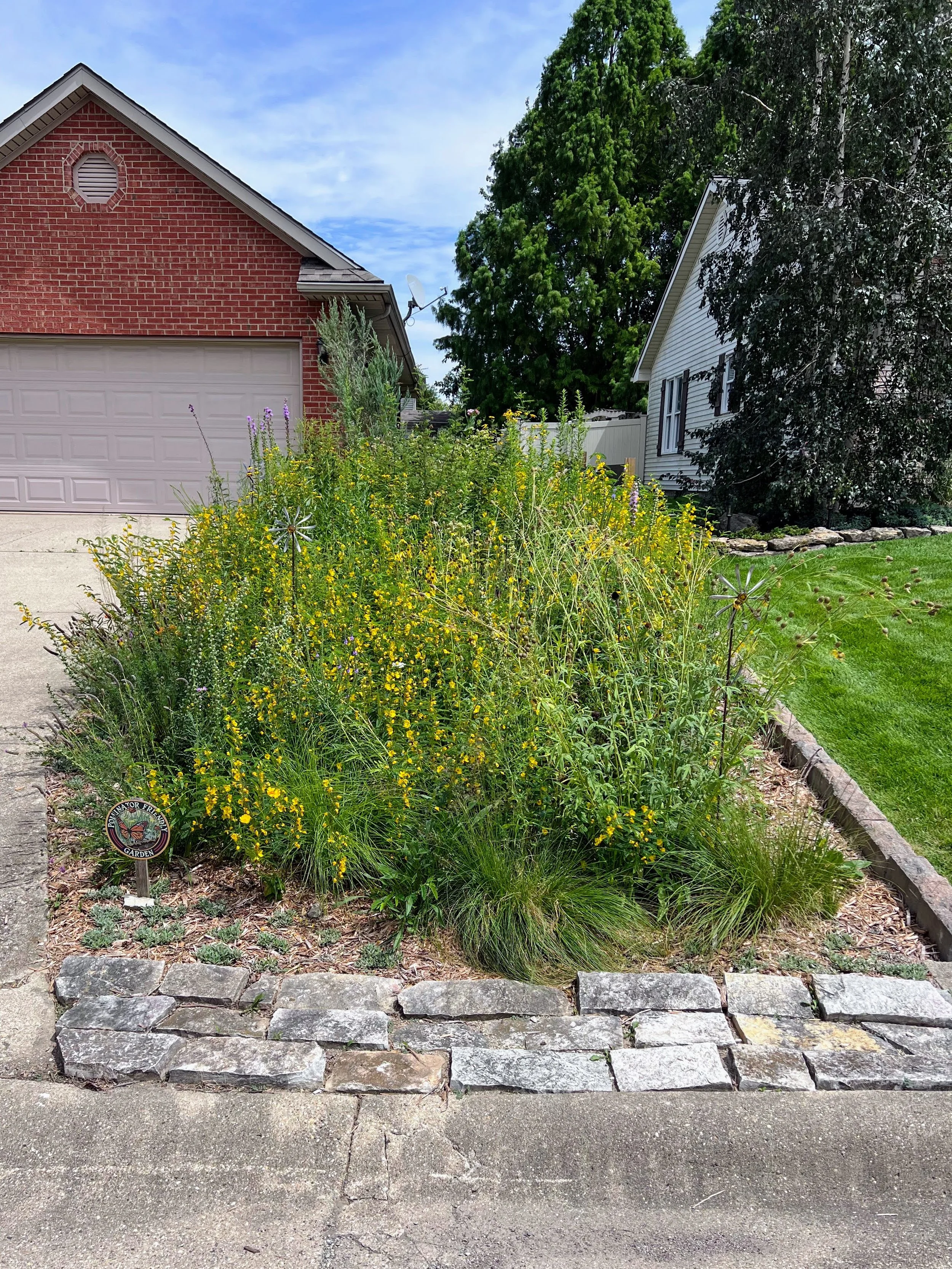
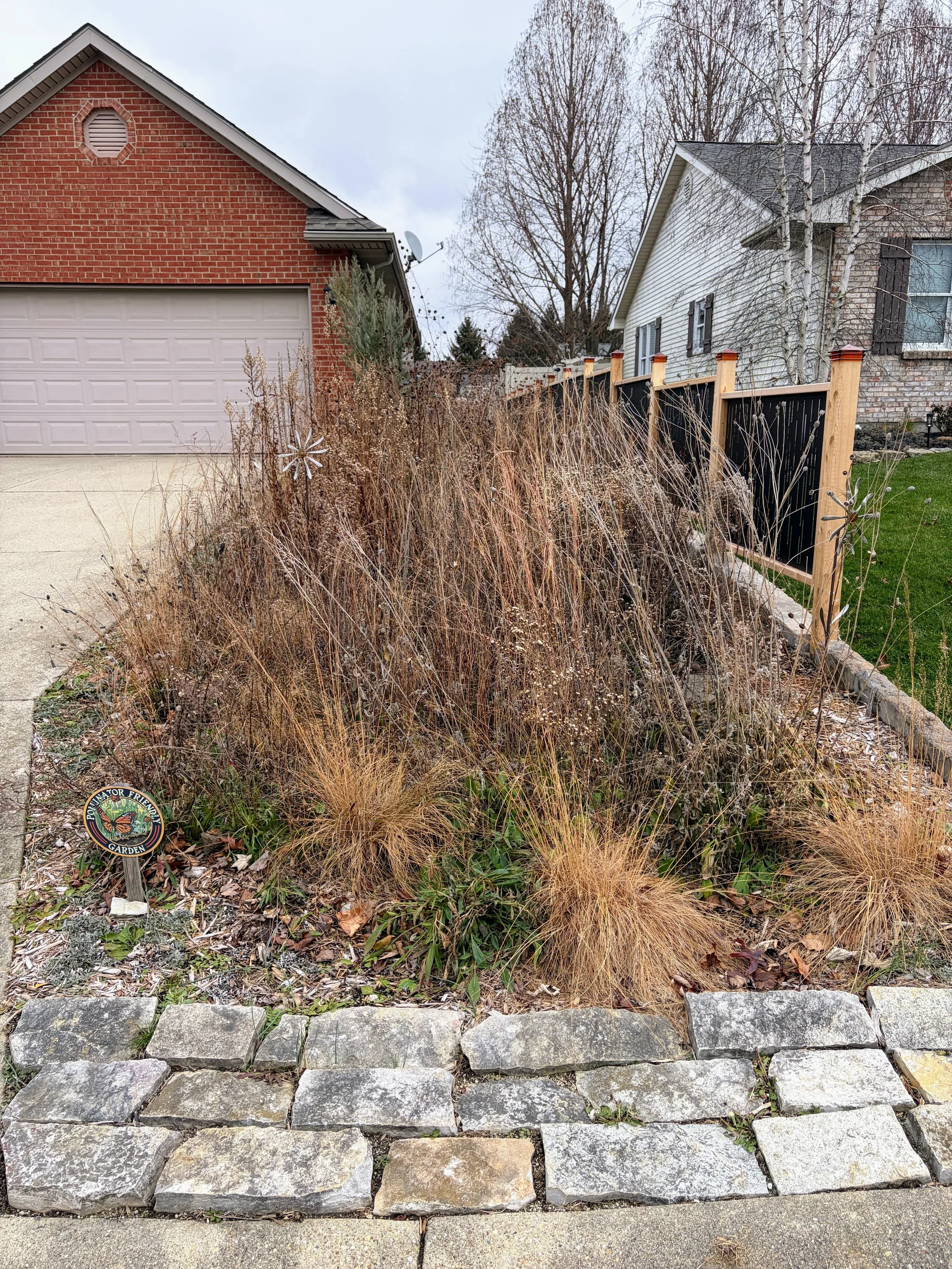
Pocket Prairie Refresh
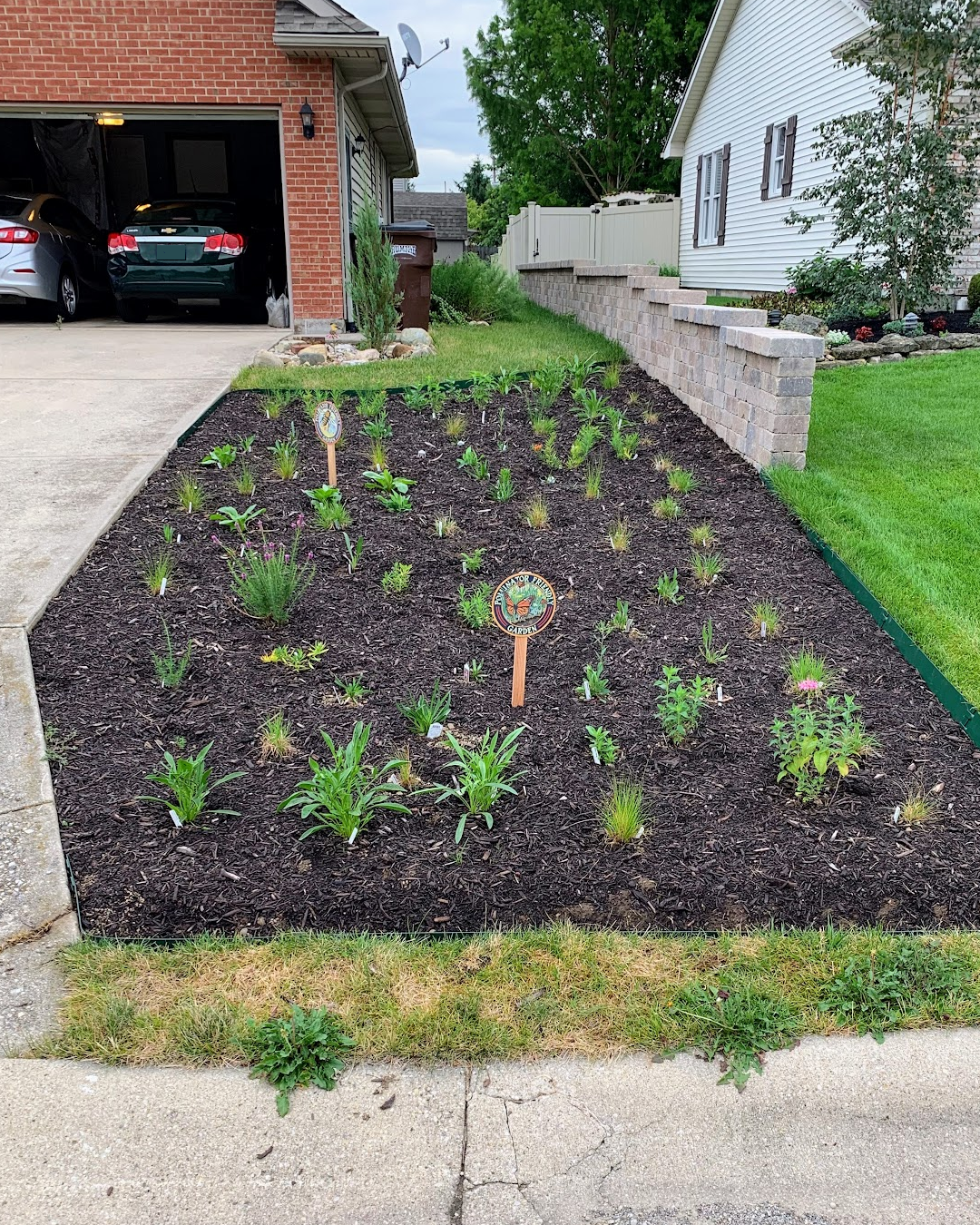
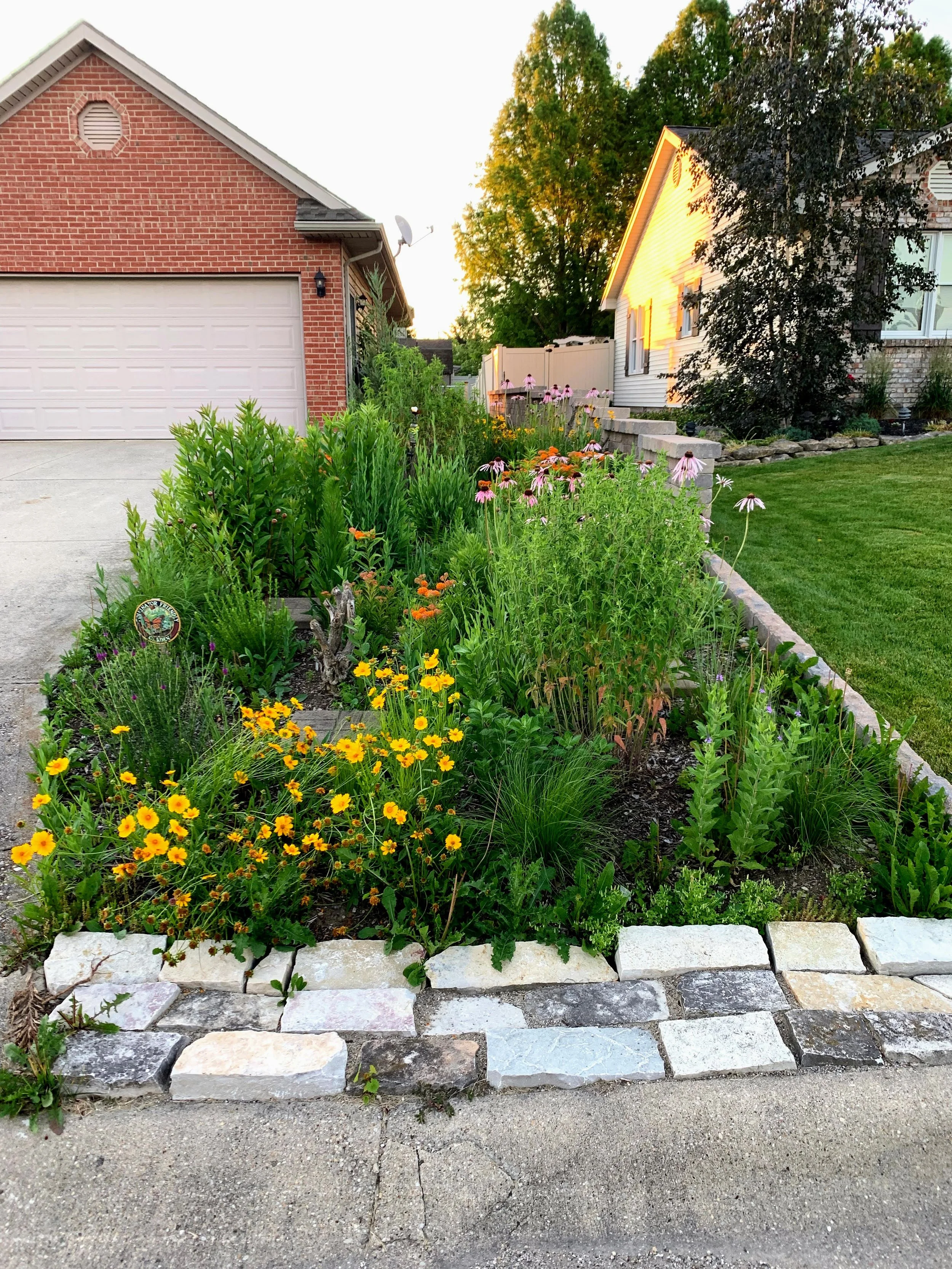
This pocket prairie was planted in 2019 and edited in 2025. Early maintenance focused on watering and weeding. By year five, the garden needed structural editing, including relocating taller plants, adding shorter species along the edges, and removing a low paver wall. A new fence was installed later in 2025 and appears in the final image.
Gardening includes a wide range of activities, from planting and harvesting to composting and pruning, and even observational experiences like watching bees pollinate, listening to birds sing, or tracing a snail’s path across a leaf.
What Does Garden Maintenance Mean to You?
How one defines maintenance is personal. Does it feel like a series of chores or an opportunity to care for beloved plants? Often, it can be both. With thoughtful plant selection, site-appropriate native species, and patience in the first few years, maintenance becomes a rewarding part of the garden experience, bringing wildlife close to home and offering lasting enjoyment.